
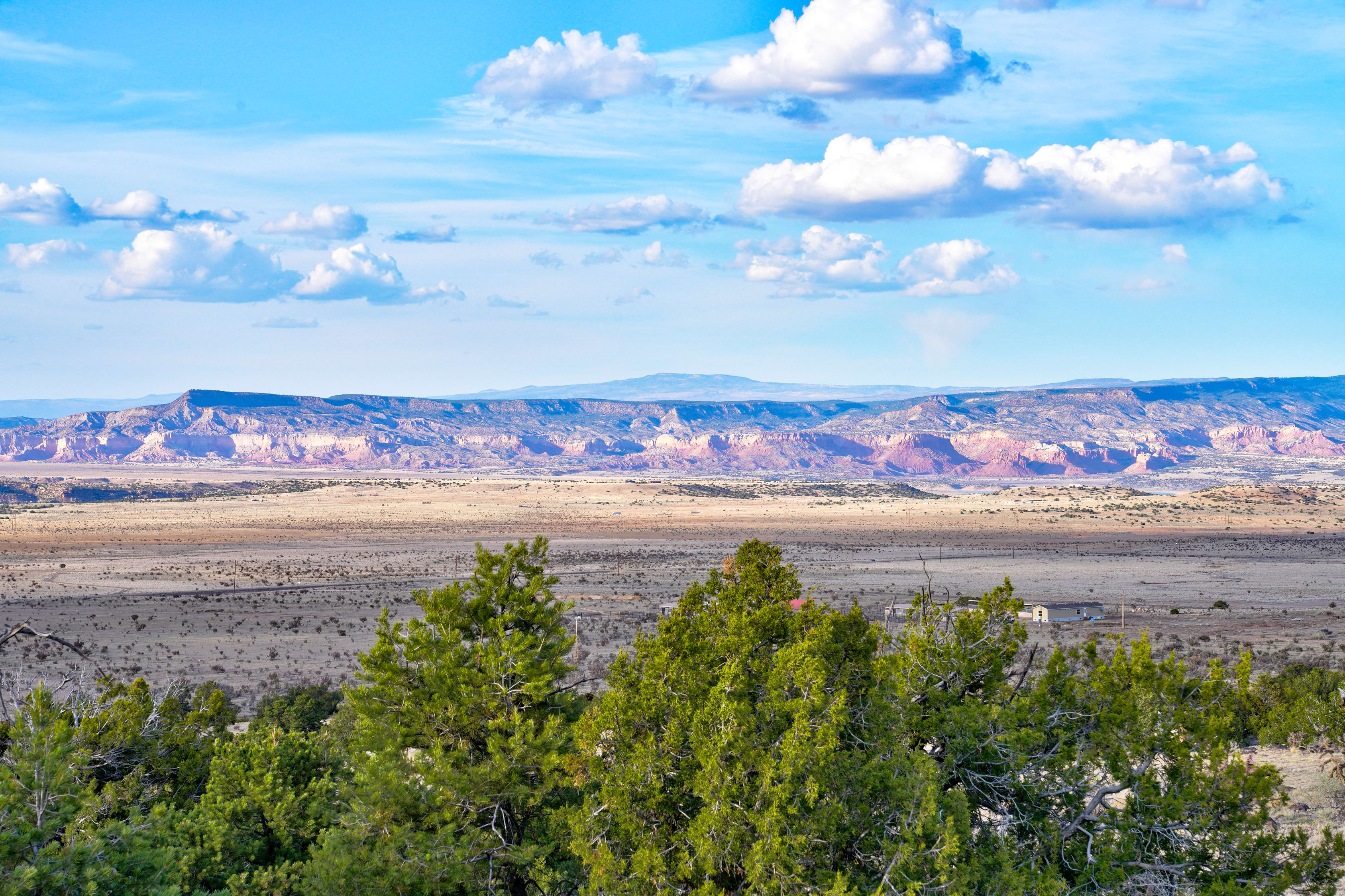

Buying land in Abiquiu is very different than buying property in a subdivision or urban market. Wells, utilities, terrain, access, and development costs can vary significantly from one property to another, even within the same part of Abiquiu. That does not mean buying land in Abiquiu is complicated or risky. It simply means buyers should approach the process with good information and realistic expectations. Over the years, I have helped buyers and sellers navigate everything from private wells and shared wells to access easements, surveys, septic systems, flood zones, and utility questions throughout Abiquiu.
Wells and Water Quality
Water is one of the first things buyers should investigate when purchasing vacant land in Abiquiu. Some properties already have wells installed. Others may require drilling a new well. Groundwater conditions can vary substantially depending on terrain and geology. Water quality also varies from property to property. In some parts of Abiquiu, treatment systems for iron, manganese, sulfur, sediment, or hardness are common parts of rural property ownership. A thorough water test is always recommended when purchasing property with an existing well. Well drilling and installation costs have also increased substantially over the past several years, especially since COVID. Buyers planning to develop raw land should account for drilling, pumps, pressure systems, storage tanks, trenching, electrical service, and possible treatment equipment as part of their overall budget.
Shared Wells
Some properties in Abiquiu rely on shared wells rather than individual domestic wells. When purchasing property with a shared well, buyers should review the shared well agreement carefully and understand maintenance responsibilities, easements, power costs, and water allocation.
Access and Rural Roads
Access is another important part of buying rural property in Abiquiu. A visible road does not always mean there is recorded legal access. Easements, road maintenance responsibilities, and seasonal conditions should all be investigated during due diligence. Some roads in Abiquiu can become difficult during heavy rain, snow, or monsoon season, especially where arroyo crossings or clay roads are involved.
Utilities and Development Costs
Power availability, internet service, septic systems, grading, excavation, and other infrastructure costs can vary significantly depending on the property. A parcel that appears ready to build on may still require substantial site work and utility investment. Understanding those costs early helps buyers make informed decisions and avoid surprises later in the process.
Information Matters in Rural Real Estate
One of the biggest differences in rural real estate is the amount of information involved in a transaction. When I work for a seller, I spend a significant amount of time gathering as much information about the property as possible before the listing becomes active in the MLS. That may include well information, shared well agreements, surveys, septic records, utility details, easements, access information, maps, flood zone research, and other property specific documentation. The more information buyers have upfront, the smoother the process usually becomes for everyone involved.
Local Experience in Abiquiu
Rural properties in Abiquiu are rarely one size fits all. Every property has different terrain, infrastructure, water conditions, access, and development considerations. After decades of working in the Abiquiu market, I spend a significant amount of time helping buyers understand the realities of rural property ownership before they close. In many cases, asking the right questions early helps avoid surprises later in the process.
If you are considering buying land in Abiquiu, taking the time to understand the property, infrastructure, and long term costs upfront can make the process significantly smoother.